Serengeti National Park
Endless plains, the Great Migration and more lions than almost anywhere in Africa. The Serengeti is the park most of our guests come for, and it rarely disappoints.
Why the Serengeti is special
The Serengeti is a UNESCO World Heritage Site in northern Tanzania, and together with Kenya's Maasai Mara it forms one ecosystem. Well over a million wildebeest, with hundreds of thousands of zebras and gazelles, move around it all year following the rain and the fresh grass. The predators follow them.
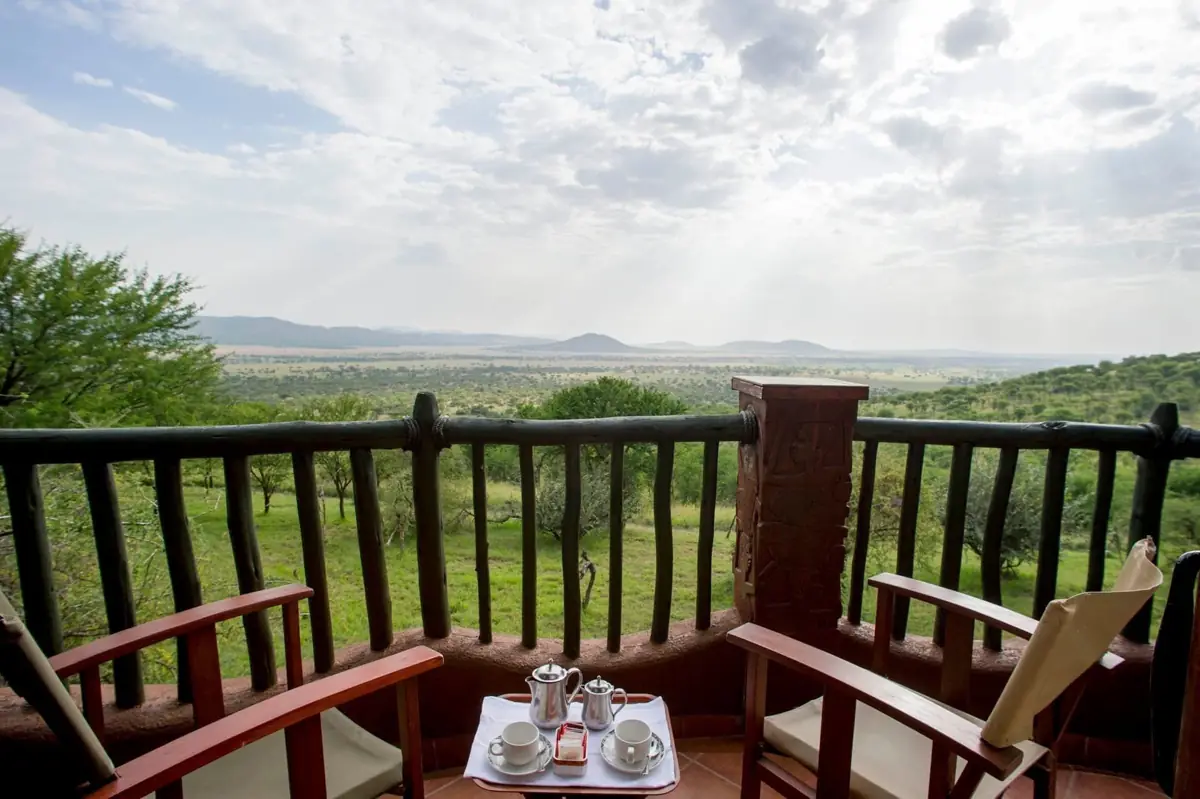
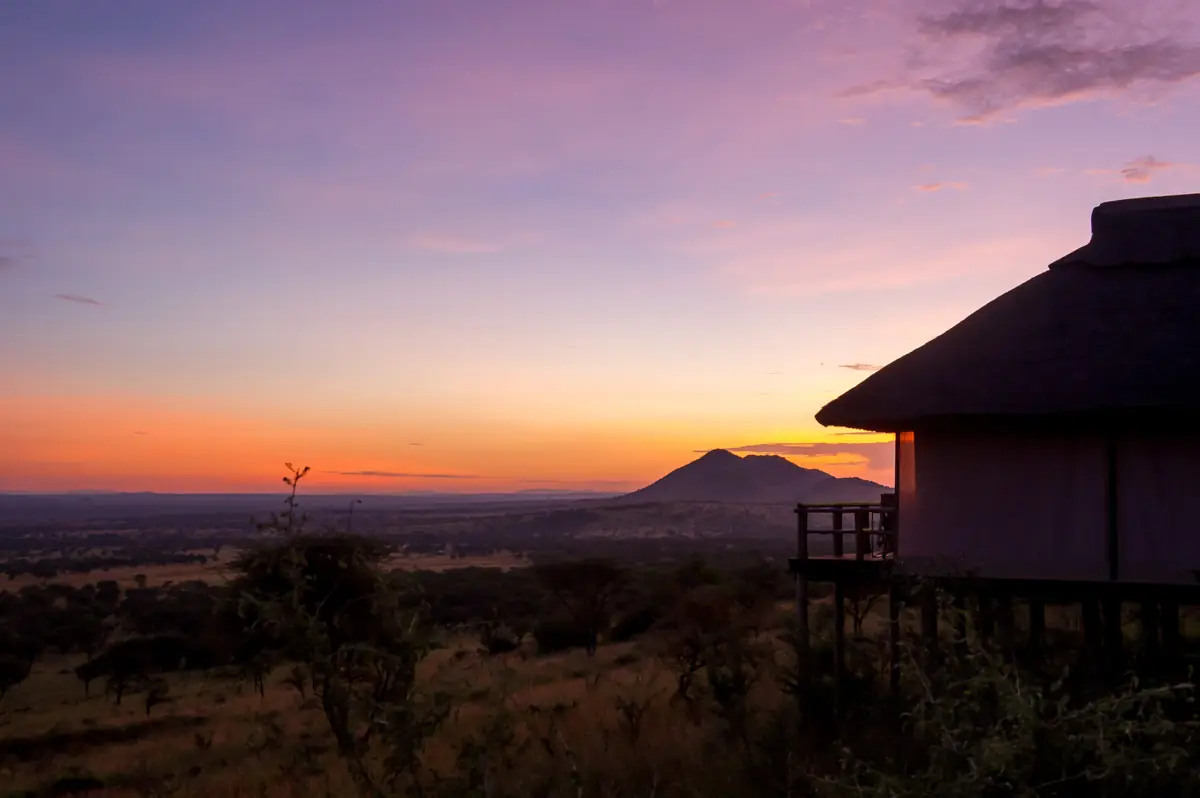
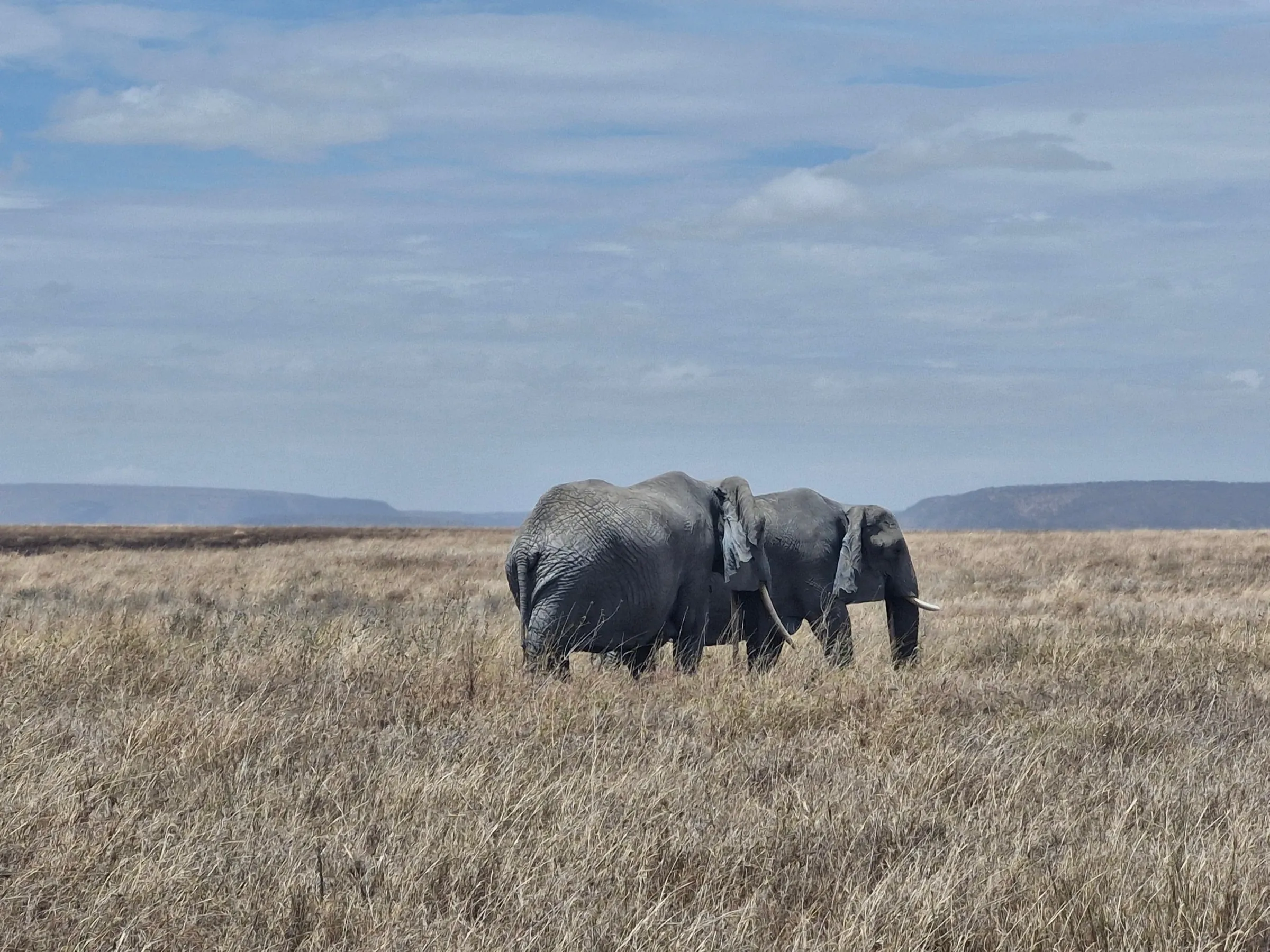
What surprises most guests is the space. You can drive for an hour across open grassland, then reach a cluster of granite kopjes with a pride of lions asleep on top. It feels very different from a fenced reserve.
Which part of the Serengeti?
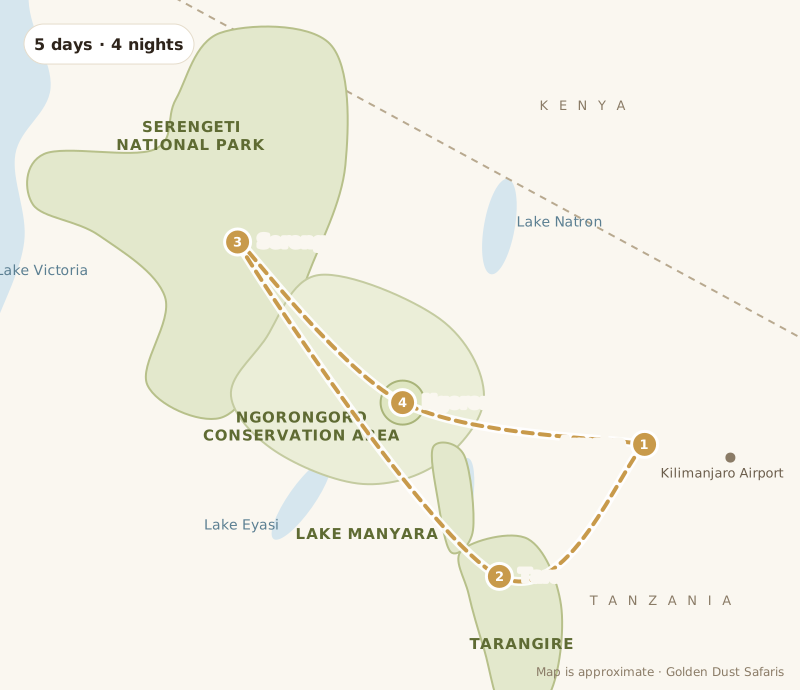
Central Serengeti (Seronera) has resident wildlife all year, with the Seronera River valley one of the best places in Africa for big cats. If you have two nights and no fixed month, this is where we'd usually stay.
The southern plains and Ndutu are where the herds gather to give birth from roughly January to March. Ndutu sits just inside the Ngorongoro Conservation Area, on the edge of the Serengeti.
The western corridor follows the Grumeti River, which the herds usually cross around June. The northern Serengeti, near the Kenyan border, is where the Mara River crossings happen from about July to October. It's a long way from Arusha, so we plan at least two nights there.
When to go
There's no bad month in the Serengeti, only different ones. June to October is dry, the animals are easy to find, and it's the busiest and most expensive time. January to March brings the calving season in the south. April and May are the long rains: some camps close, but the park is green, quiet and cheaper.
Our month-by-month guide to the Great Migration explains where the herds usually are, and the best time to visit Tanzania covers the other parks too.
Getting there
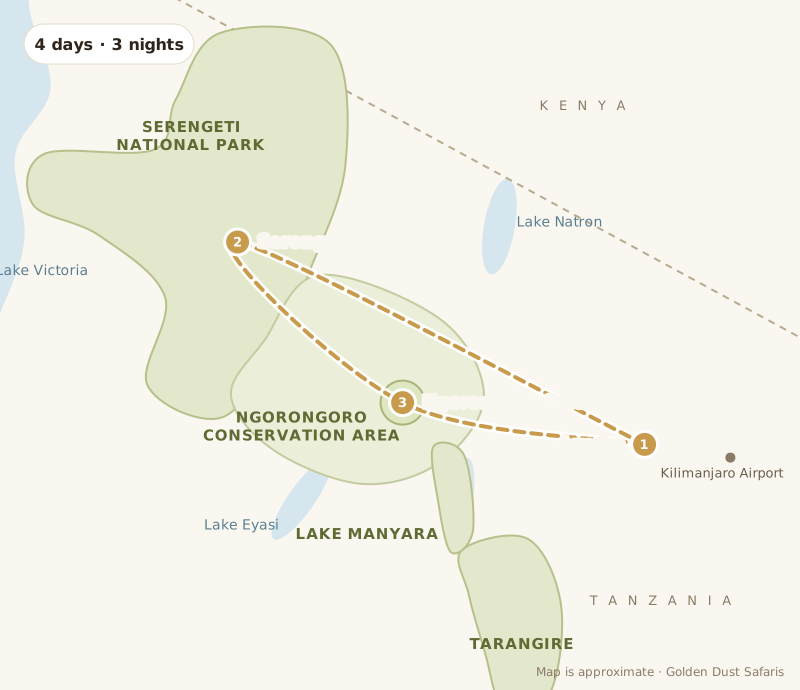
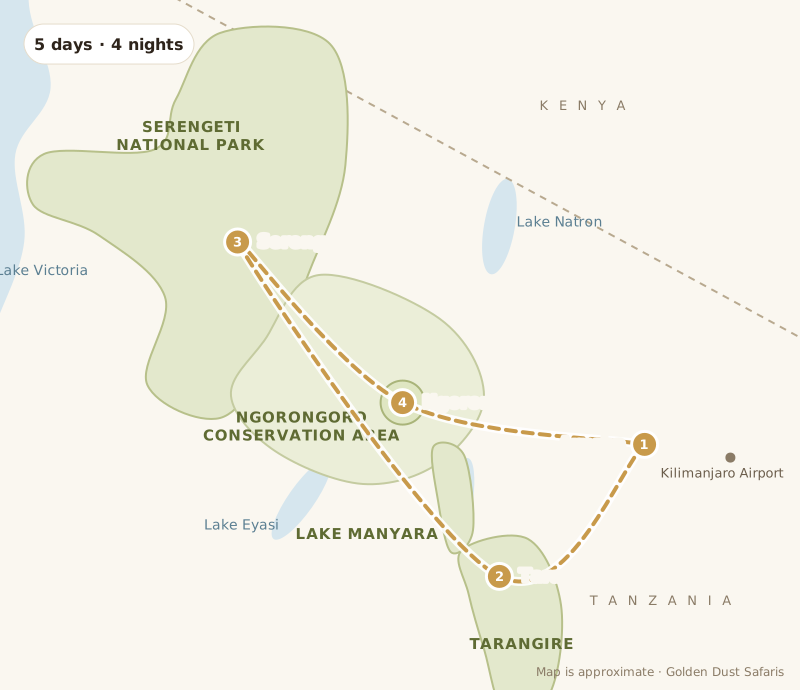
Most of our guests drive. The road from Arusha passes Lake Manyara and climbs over the Ngorongoro highlands, so the trip there is part of the safari. It takes most of a day with game viewing on the way. You can also fly from Arusha to one of the Serengeti airstrips and meet your guide there.
Where to stay
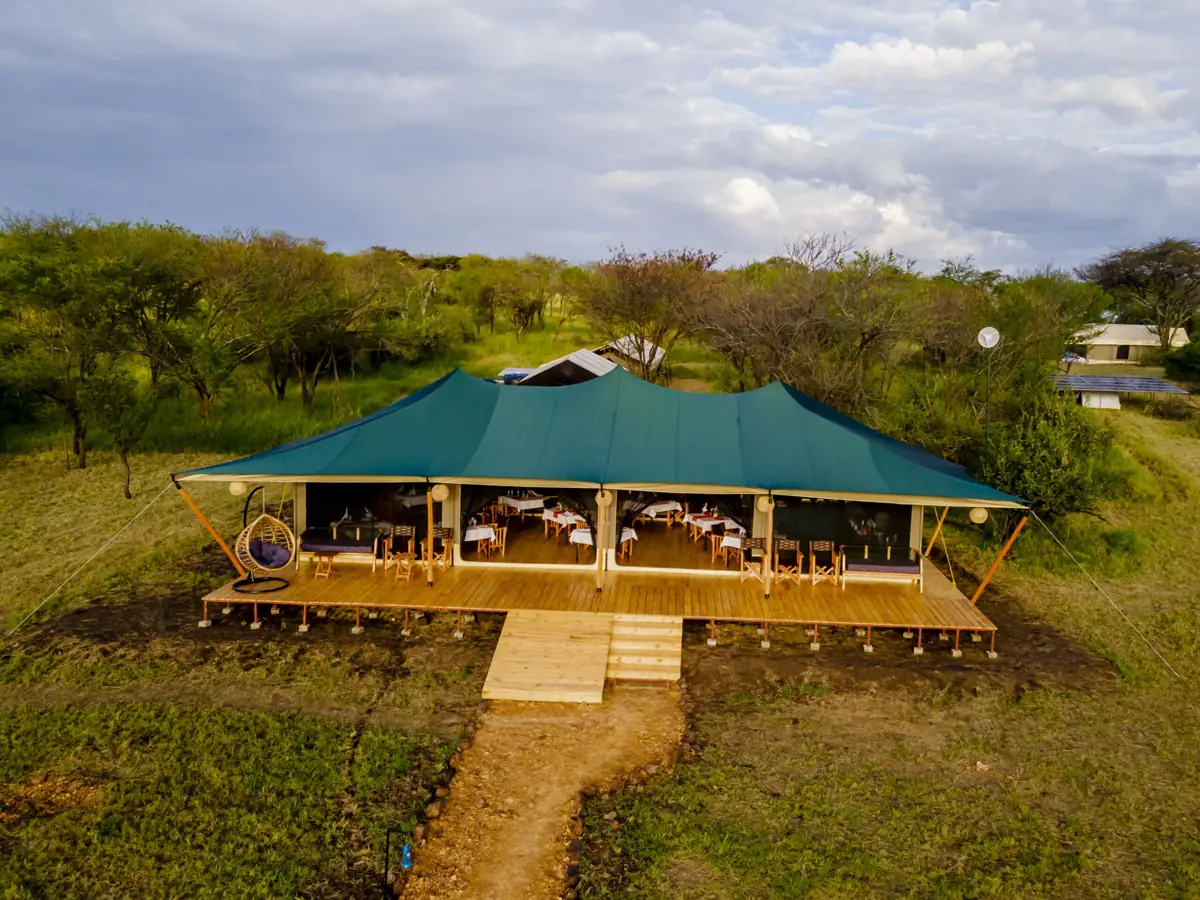
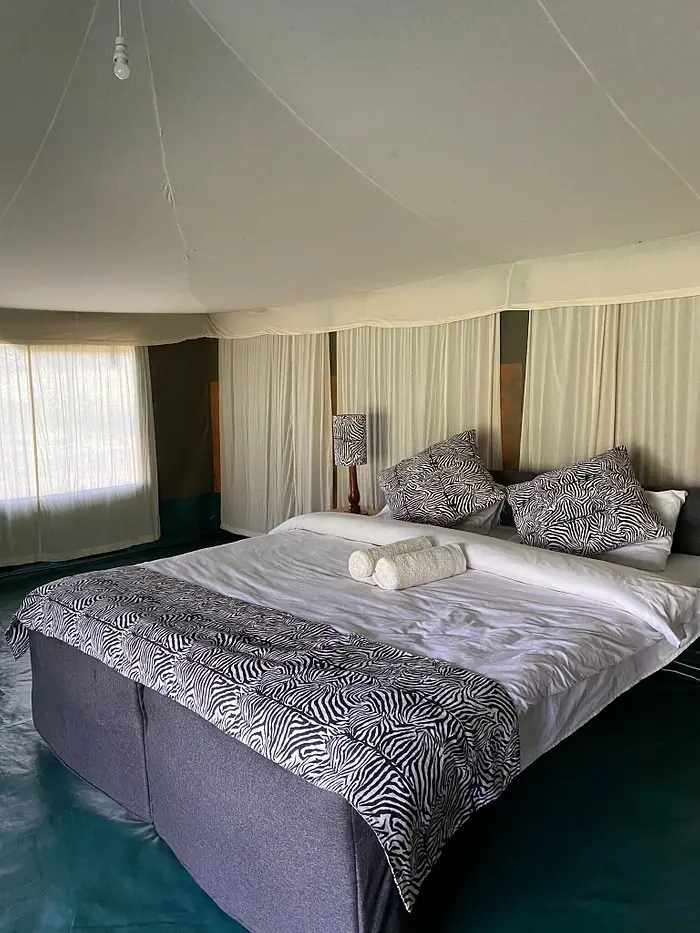
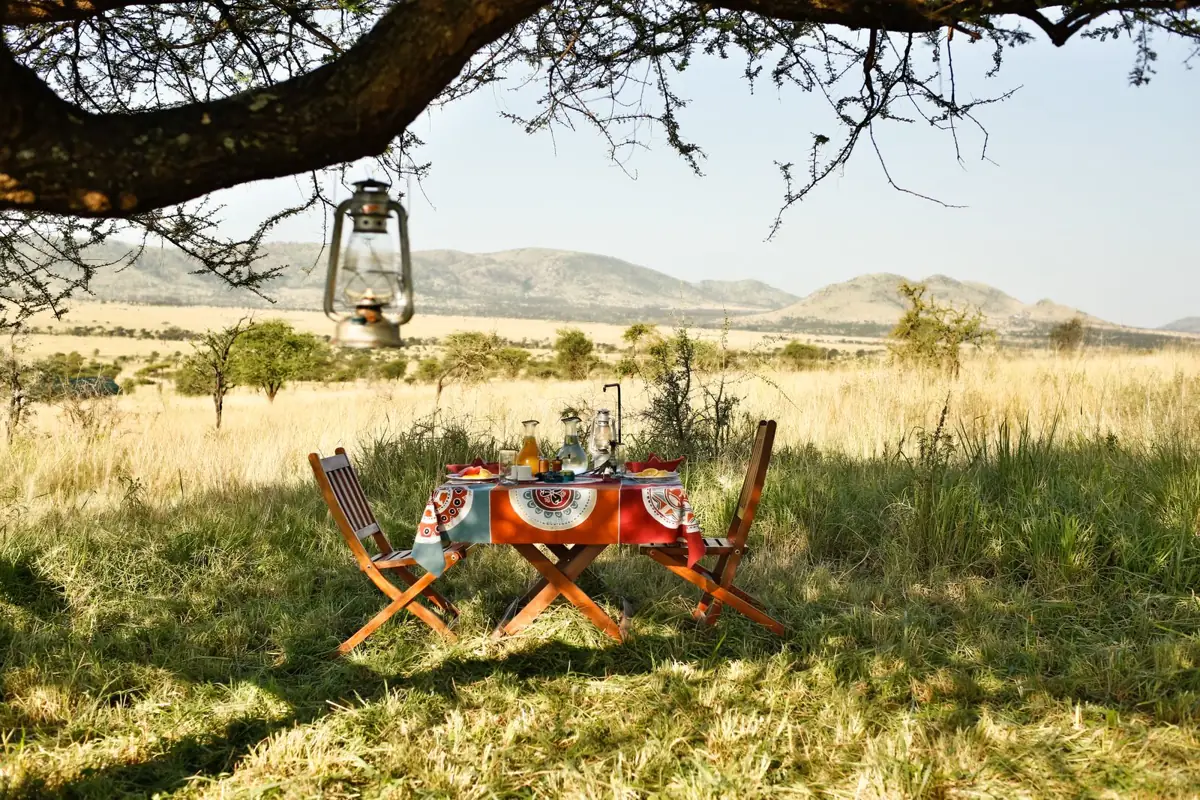
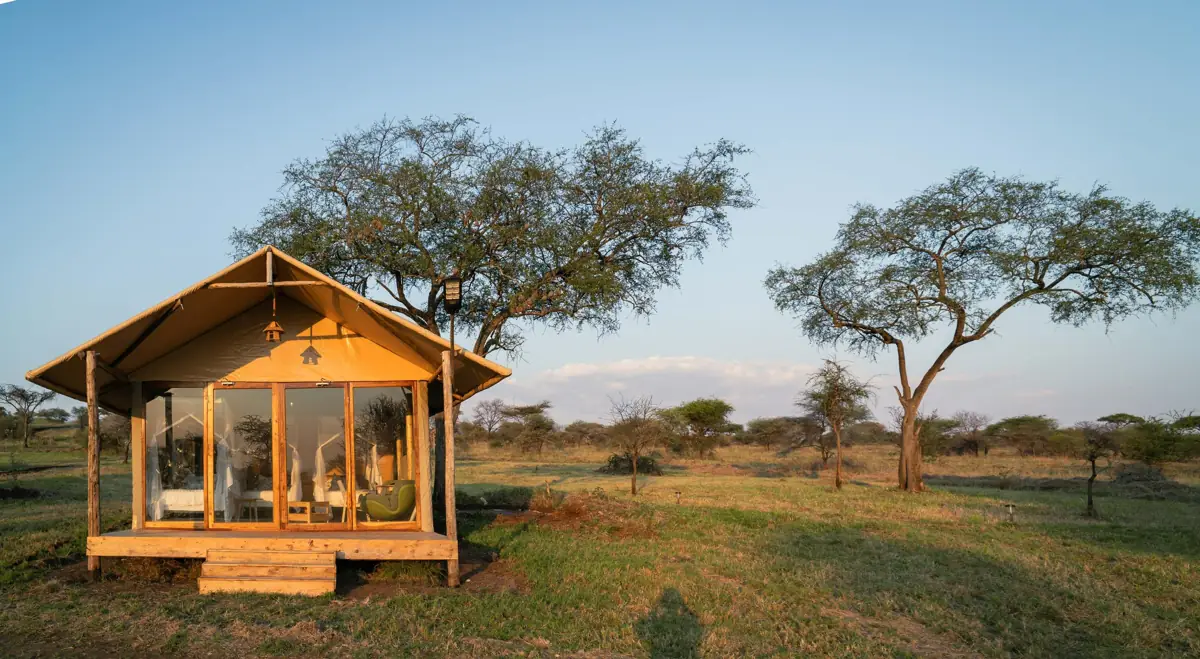
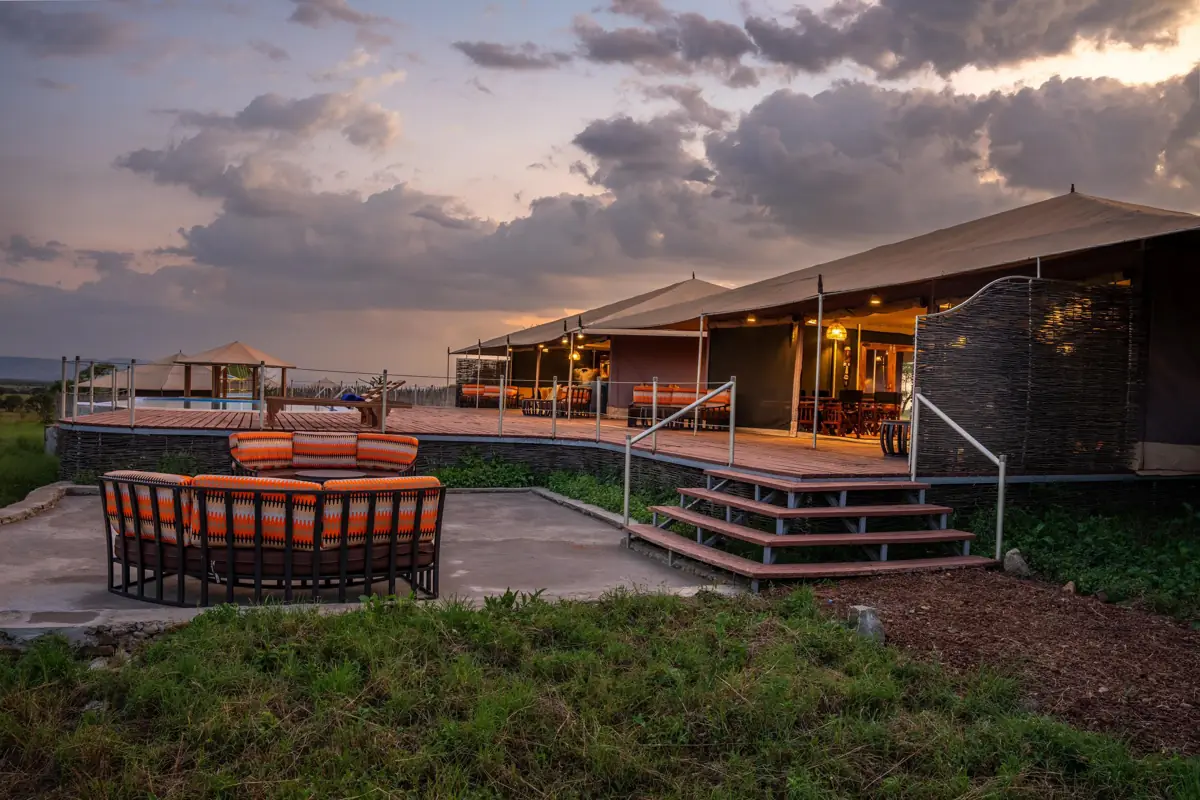
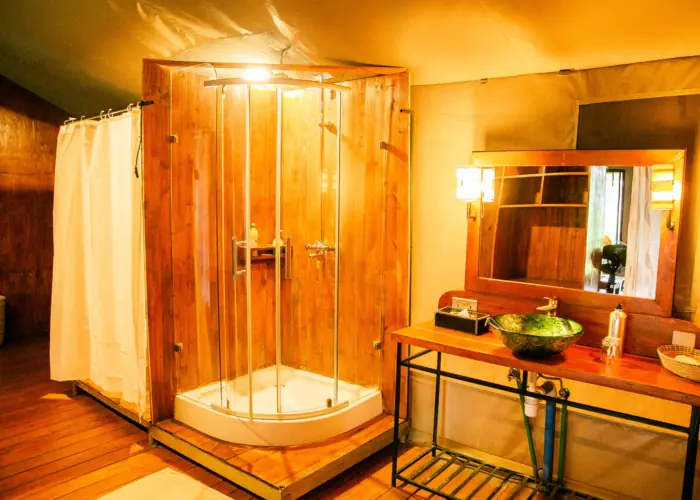
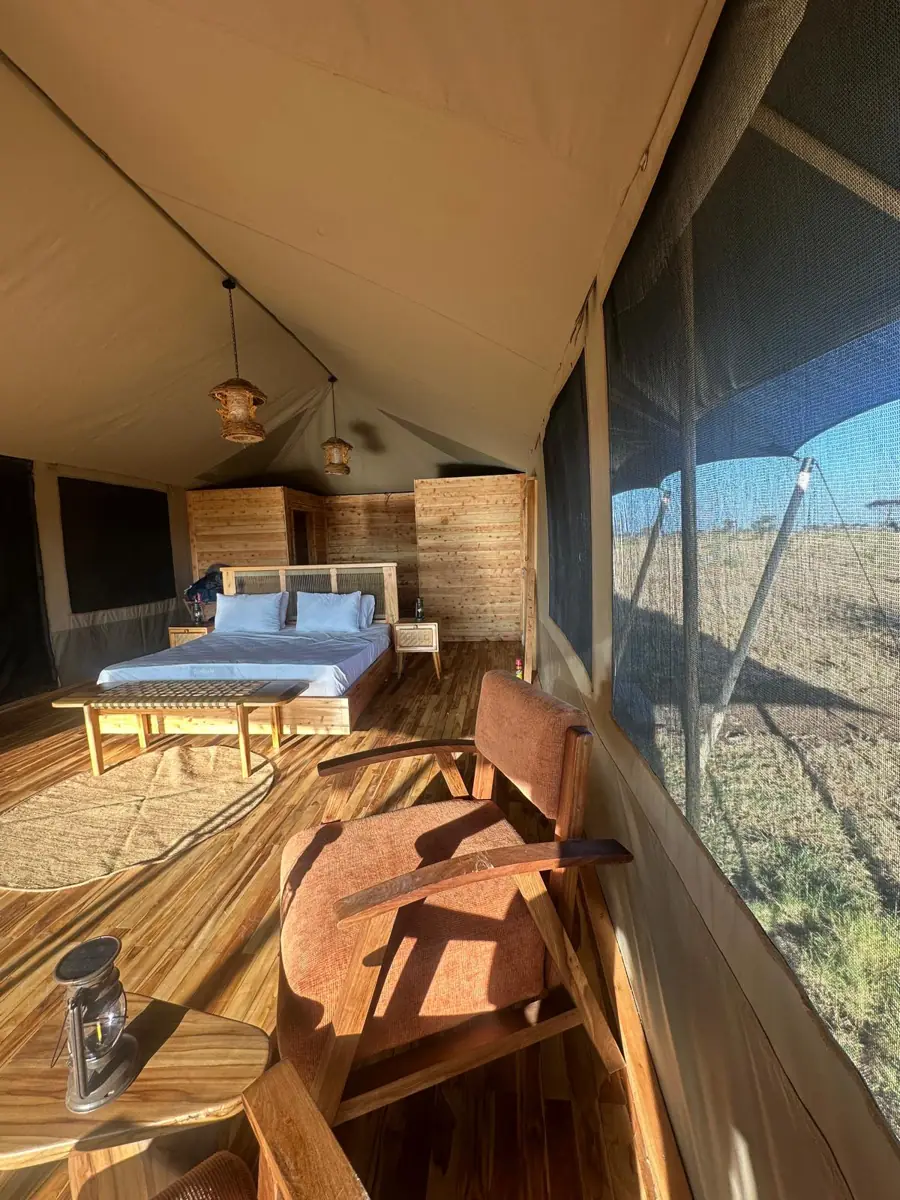
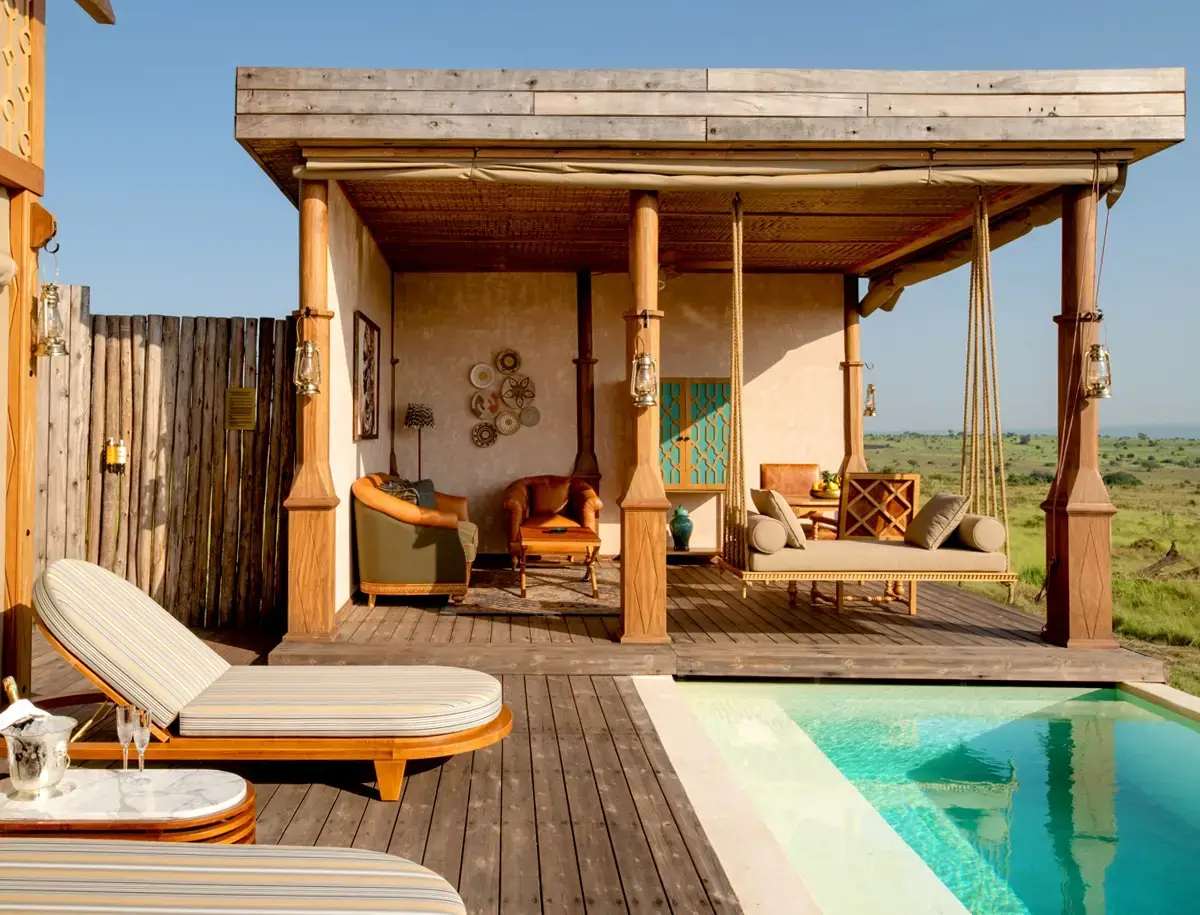
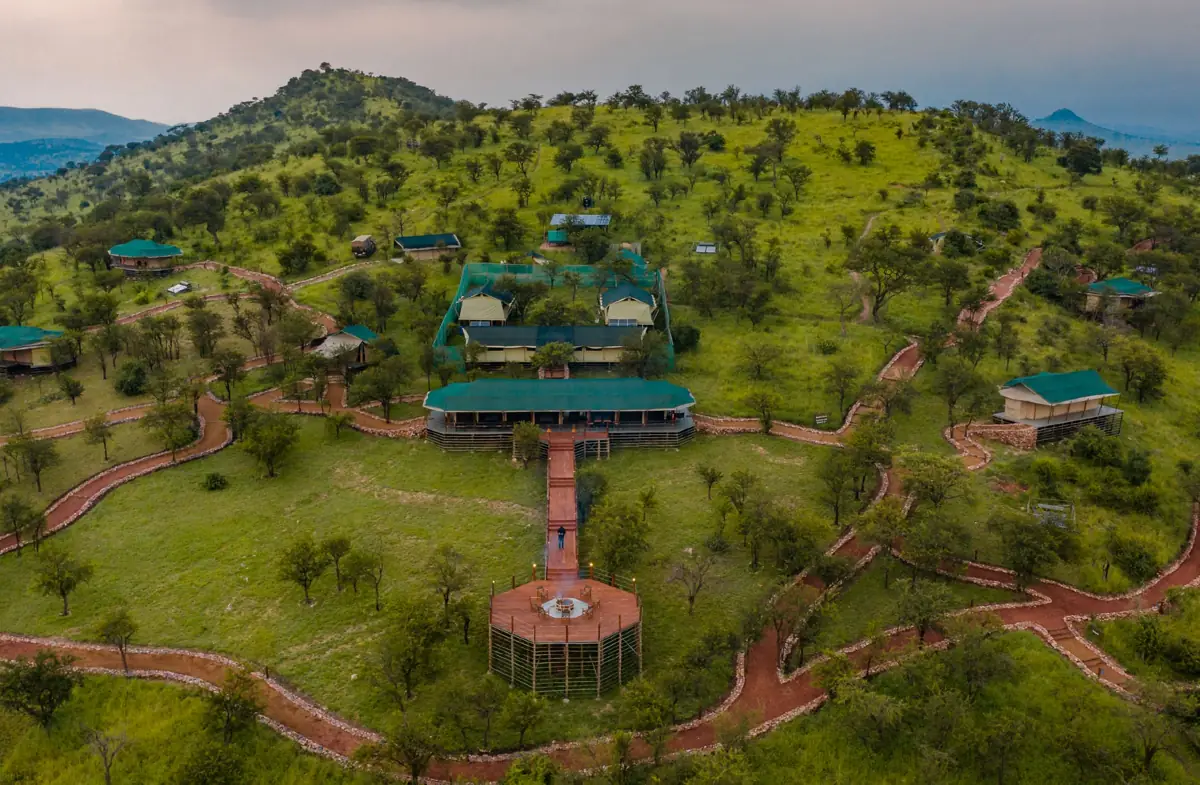
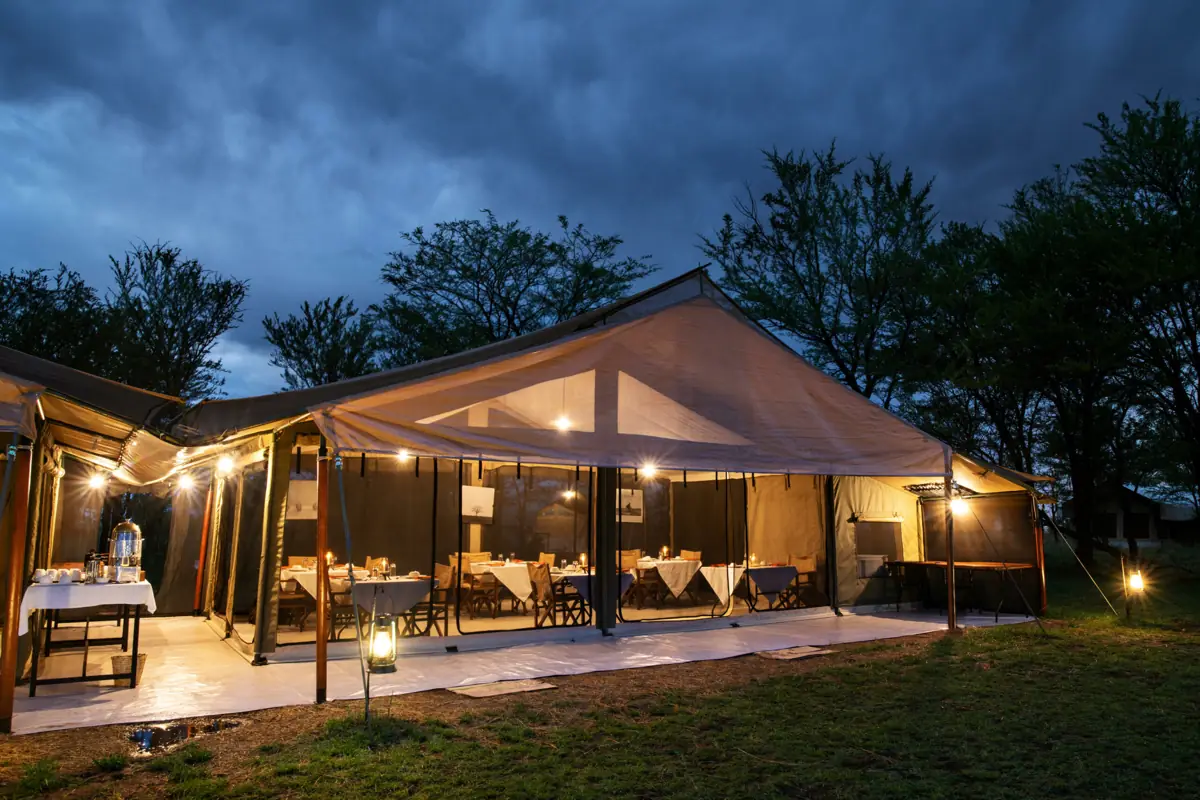
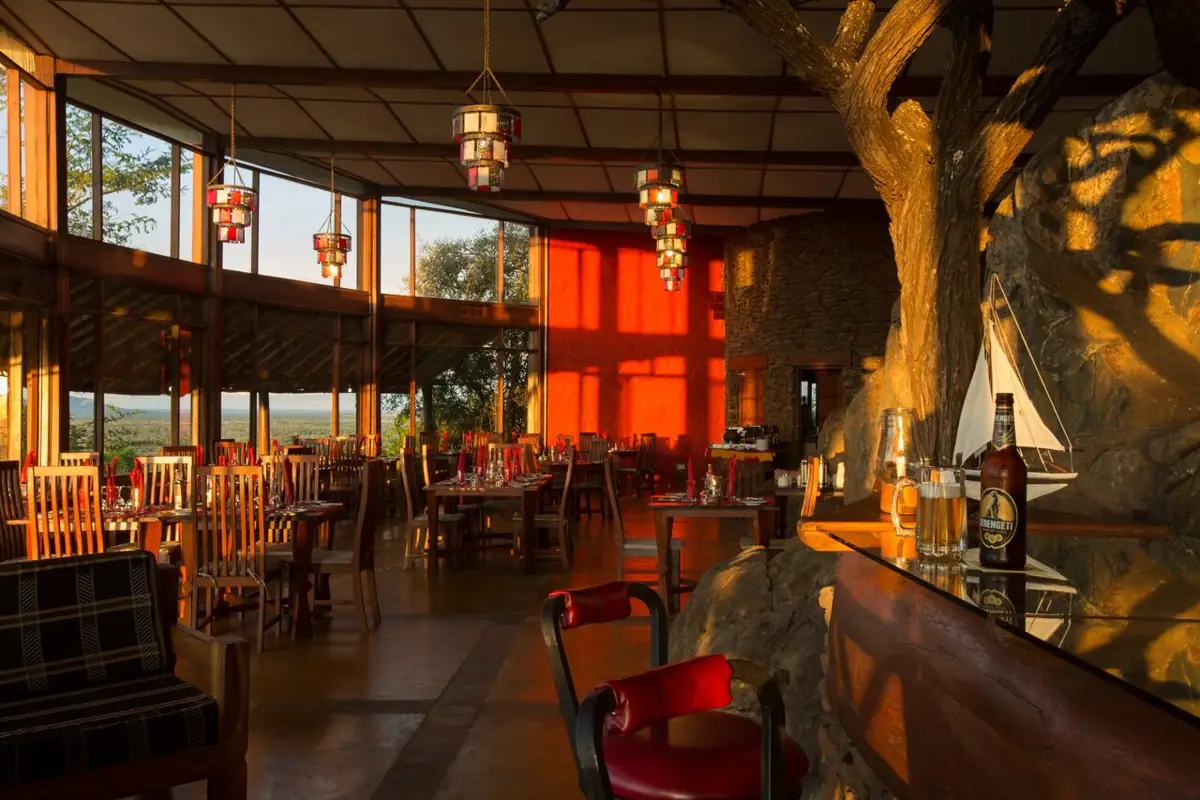
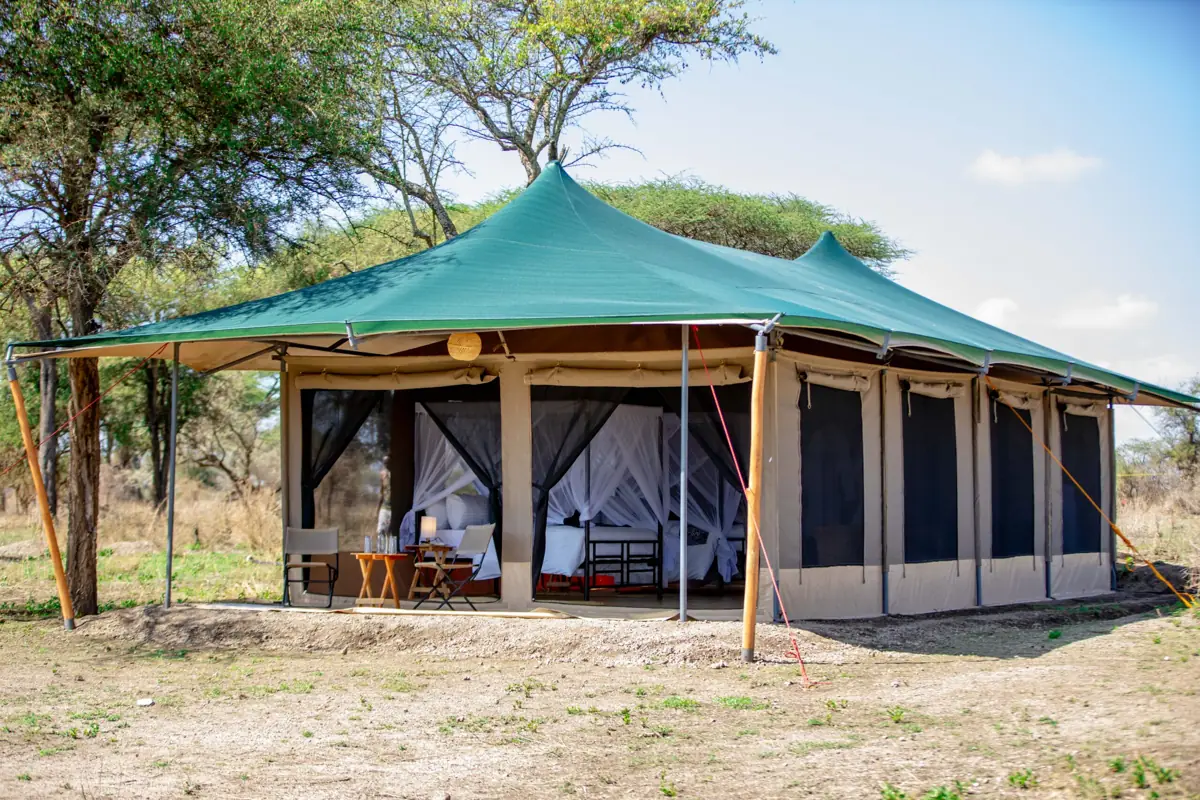
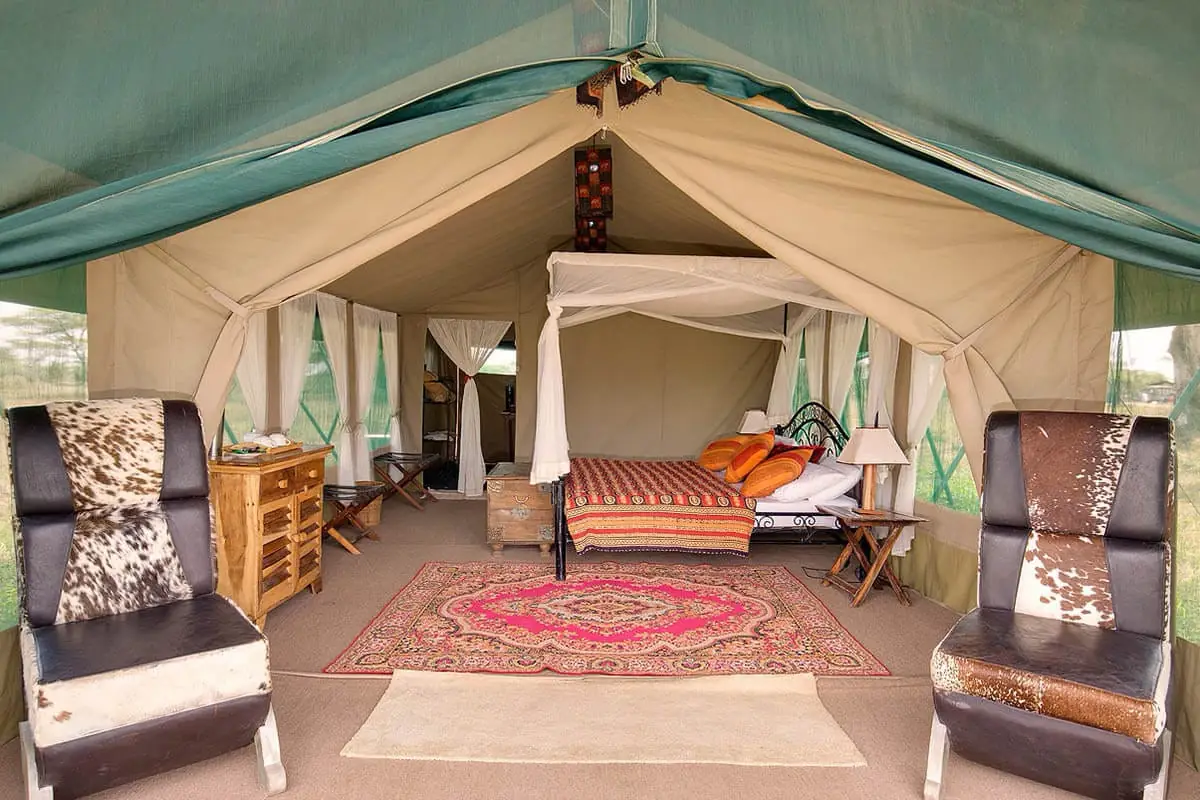
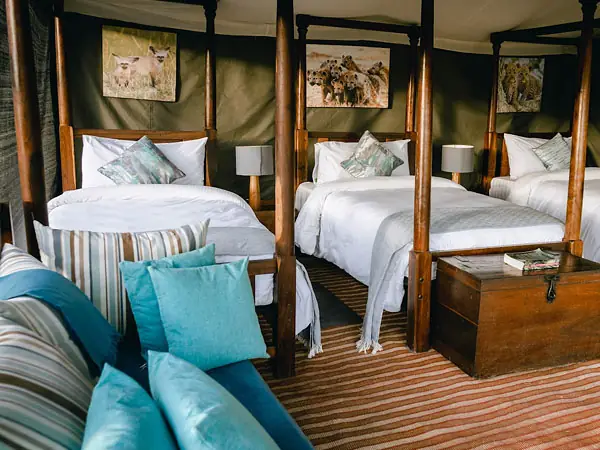
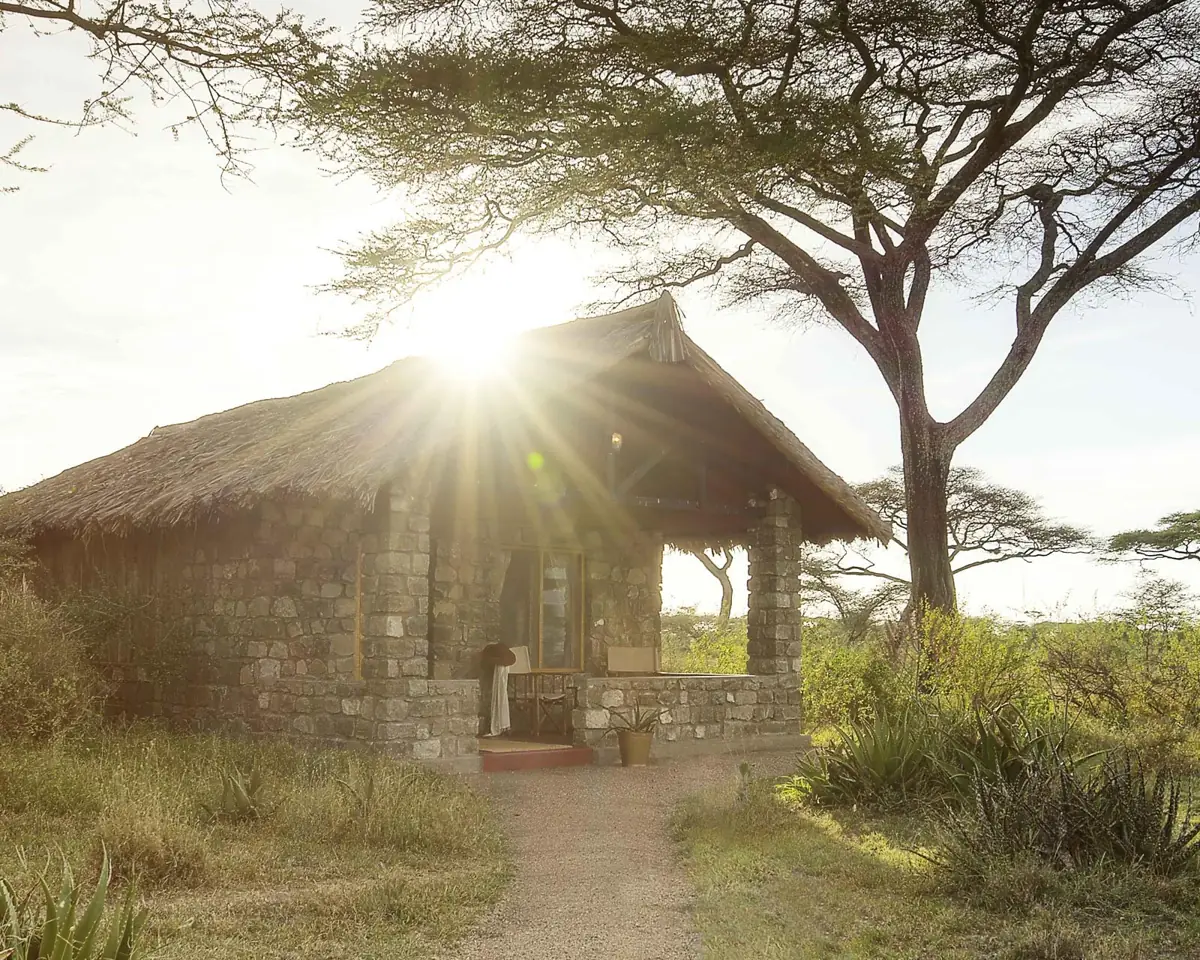
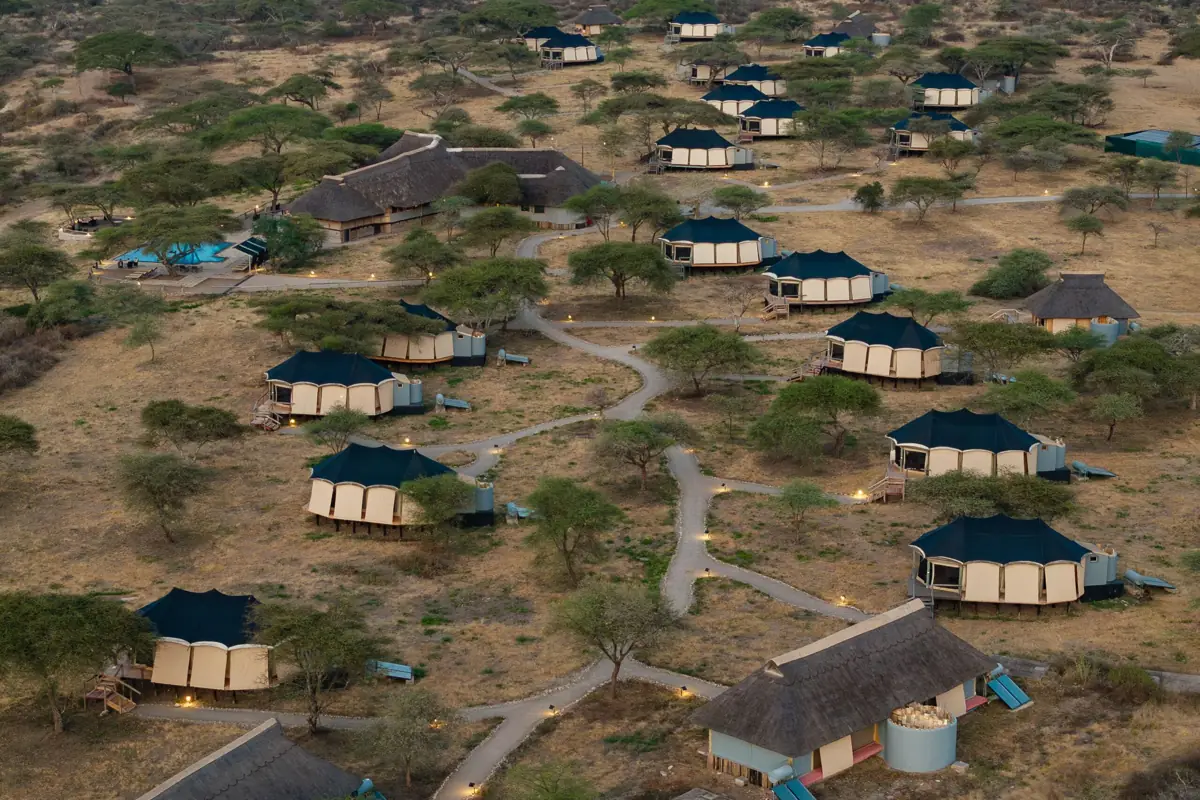
You can camp in a public campsite, stay in a comfortable tented camp, or choose one of the luxury camps. Below are the camps and lodges we work with. The prices in our planner include them, so you can compare them for your dates.
Budget option: Seronera Public Campsite (Central Serengeti).